Refining Recommendation Sequences in Digital Wagering Guides Through Engagement Pattern Analysis
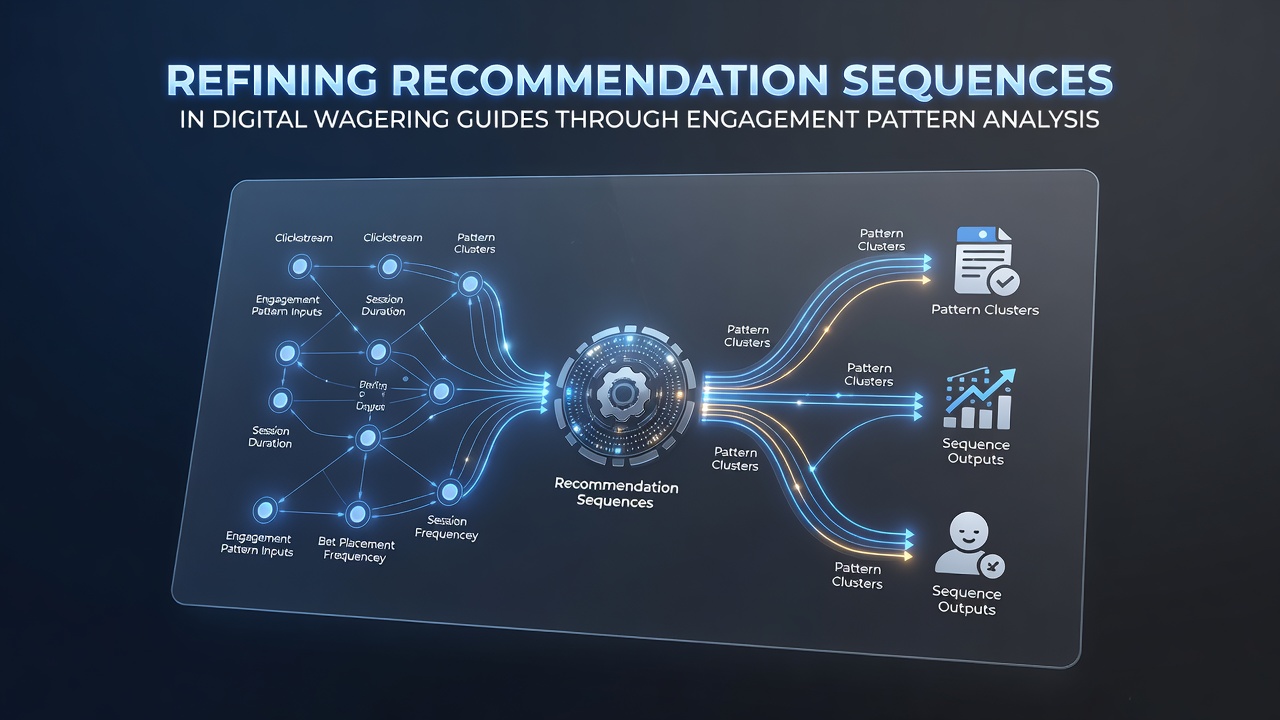
Digital wagering guides rely on structured recommendation sequences to direct users toward operators that match their preferences, and engagement pattern analysis provides the data backbone for these adjustments. Analysts track click paths, session durations, and conversion points across comparison pages, then reorder listings to align with observed behaviors rather than static rankings. This approach draws from aggregated interaction logs that reveal which sequences produce higher completion rates for account signups and deposit actions.
Core Metrics Driving Sequence Adjustments
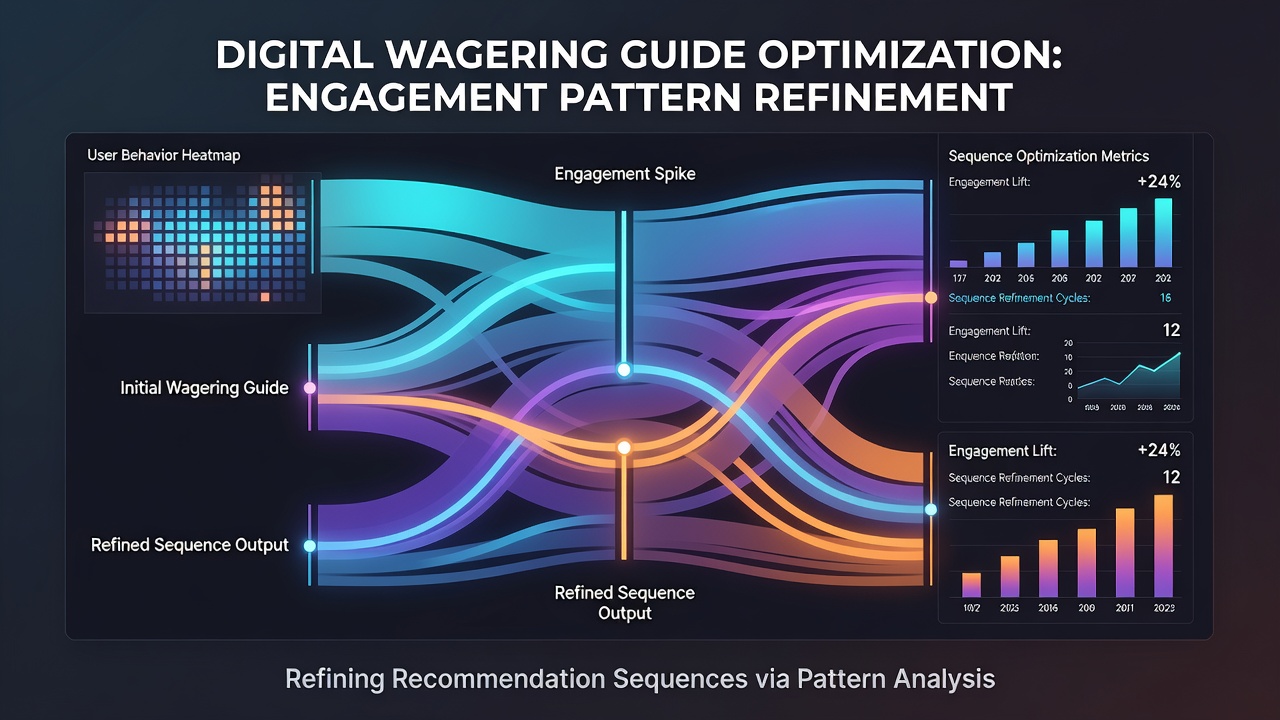
Engagement data includes scroll depth on list pages, time spent viewing individual operator profiles, and the order in which users select filters such as payment methods or bonus structures. Platforms compile these signals into heat maps that show where attention clusters, allowing teams to reposition high-performing entries earlier in the sequence. Research from industry monitoring groups indicates that sequences adjusted monthly based on these patterns maintain steadier traffic flow compared with fixed editorial orders. Observers note that November 2026 updates across several affiliate networks incorporated new variables like mobile swipe velocity and exit-point timing to further refine placement logic.
Implementation Across Affiliate Platforms
Teams at major iGaming resource sites integrate engagement tracking through server-side logging combined with client-side event capture. When users interact with recommendation blocks, the system records which operators appear in positions one through five and measures subsequent actions. Adjustments follow a cycle where data from the prior four weeks informs the next sequence iteration. Experts have observed that this method reduces bounce rates on entry pages by surfacing regionally relevant operators sooner in the list. One documented case involved a European-facing guide that shifted Mediterranean-licensed brands higher after pattern analysis showed stronger retention among users from southern markets.
Regional Variations in Pattern Application
North American platforms apply engagement analysis differently from Asian or Oceanian counterparts because regulatory frameworks shape available data points. In jurisdictions overseen by the New Jersey Division of Gaming Enforcement, analysts focus on state-specific filter usage to sequence operators with compliant banking options first. Australian guides, drawing from reports issued by the Australian Communications and Media Authority, prioritize sequences that highlight responsible gaming tools after users linger on harm-minimization sections. These localized adjustments demonstrate how engagement signals translate into placement decisions that respect geographic constraints while still optimizing user progression through the guide.
Technical Tools and Data Integration
Sequence refinement depends on integration between content management systems and analytics suites that export event streams into visualization dashboards. Developers map user cohorts by device type and referral source, then test sequence variants through controlled exposure. Results feed back into ranking algorithms that weigh recent interactions more heavily than older ones. Data indicates that sequences updated through this feedback loop achieve more consistent engagement across both desktop and mobile sessions. Those who manage these systems report that combining engagement metrics with basic demographic overlays produces sequences that adapt faster to emerging user clusters.
Challenges in Maintaining Accurate Sequences
Pattern analysis requires ongoing validation because external factors such as promotional campaigns or regulatory announcements can shift engagement suddenly. Teams monitor for anomalies in click distribution that might indicate temporary distortions rather than stable preferences. Cross-referencing multiple data sources helps isolate genuine behavioral trends from short-term spikes. Studies conducted by academic groups affiliated with gaming research centers show that sequences recalibrated after such validation steps sustain performance longer than those adjusted on raw data alone. The process continues to evolve as new interaction types, including voice query responses on smart devices, enter the dataset.
Conclusion
Engagement pattern analysis supplies a measurable foundation for ordering recommendations in digital wagering guides, enabling platforms to respond to documented user behavior across different regions and devices. Continued refinement through validated data streams supports consistent navigation experiences while accommodating regulatory and market shifts.