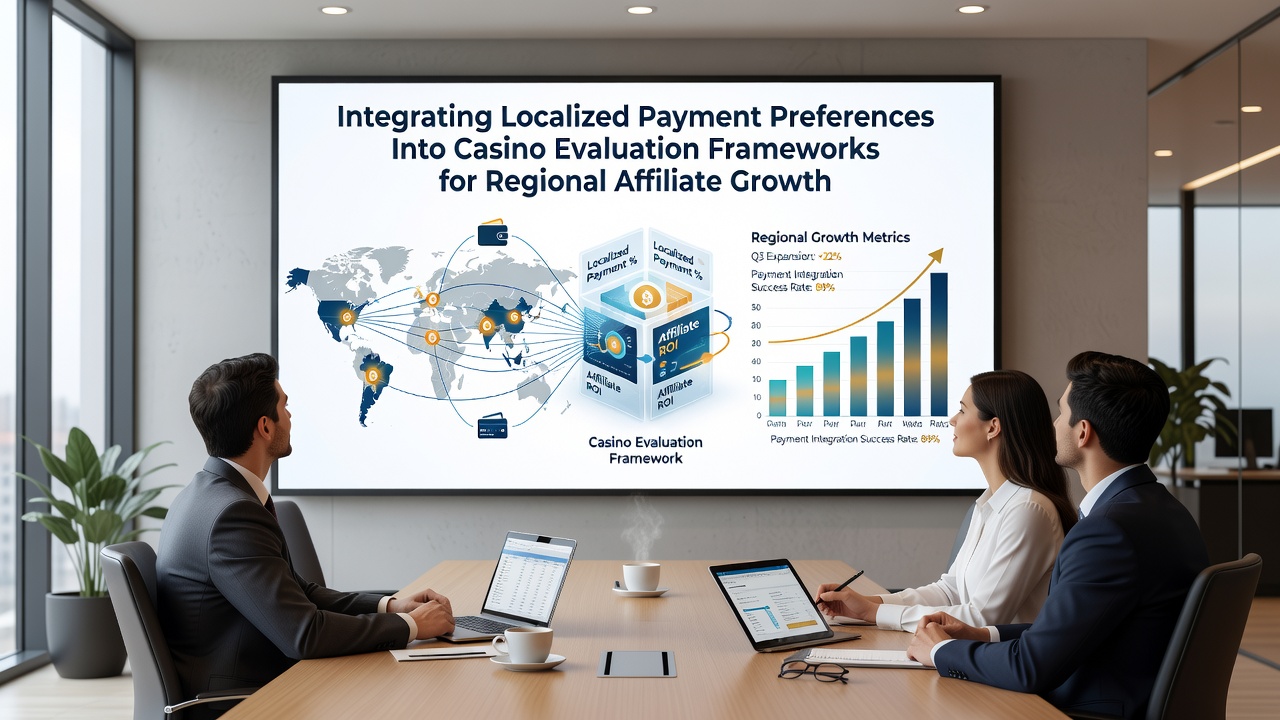
Integrating Localized Payment Preferences Into Casino Evaluation Frameworks for Regional Affiliate Growth
Payment preferences vary sharply across regions, and casino affiliate platforms have started embedding these differences directly into their evaluation systems to support targeted growth. Affiliates who adjust ranking criteria around local methods see stronger engagement in specific markets because users encounter fewer barriers during deposit and withdrawal stages. Data from regulatory bodies shows that transaction success rates climb when platforms prioritize options like instant bank transfers in Europe or mobile wallets in parts of Asia.
Mapping Payment Methods to Regional User Behavior
Researchers tracking affiliate performance note that evaluation frameworks gain precision when they incorporate usage statistics from each territory. In Canada for example, Interac remains dominant for quick withdrawals, while Australian players often favor POLi and BPAY for their established reliability. Frameworks now assign weighted scores to these methods based on adoption rates reported by the Alcohol and Gaming Commission of Ontario, allowing lists to reflect actual player priorities rather than generic global standards.
Observers who monitor October 2026 trends report that several affiliate networks updated their matrices after new licensing rules took effect in multiple jurisdictions. These updates required clearer disclosure of processing times and fees, which in turn pushed evaluation models to include real-time verification of payment provider partnerships. Sites that integrated these signals experienced measurable lifts in regional traffic because search rankings rewarded pages that matched local expectations more closely.
Updating Evaluation Criteria for Affiliate Platforms
Structured frameworks typically break payment evaluation into categories such as speed, cost, security, and availability. Each category receives region-specific benchmarks drawn from transaction logs and user surveys. For instance, Latin American markets show higher tolerance for cryptocurrency options in certain segments, whereas North American frameworks emphasize licensed processors with established consumer protections. Affiliates adjust point allocations accordingly so that casino profiles surface the most relevant methods first.

Implementation often involves API connections to payment processors that supply live status updates. These connections feed directly into ranking algorithms, ensuring that any change in availability or fees triggers automatic recalibration of scores. Teams at larger affiliate operations maintain separate dashboards for each major market, which prevents one-size-fits-all logic from diluting performance in smaller regions.
Measuring Growth Through Regional Performance Metrics
Conversion data compiled by industry research groups indicates that localized payment integration correlates with higher retention rates in targeted territories. Affiliates who refined their frameworks around these preferences recorded increases in both click-through rates and completed registrations within six months of implementation. The pattern holds across markets where regulatory clarity on payment handling improved during 2025 and into October 2026.
Case examples include platforms that introduced filters allowing users to sort casinos by preferred withdrawal method. Such features reduced bounce rates on comparison pages because visitors quickly identified operators supporting their chosen options. Analysts tracking these adjustments note that search visibility improved when content pages aligned with localized query patterns around payments.
Addressing Compliance and Technical Requirements
Regulatory updates continue to shape how payment data enters evaluation systems. Frameworks must now account for licensing conditions that restrict certain processors or mandate specific consumer safeguards. Affiliates coordinate with legal teams to verify that listed casinos maintain current approvals for each method displayed, which protects against ranking penalties during compliance audits.
Technical teams handle the integration through modular scoring engines that accept new regional parameters without full system overhauls. This approach supports rapid response when new payment providers gain licensing or when popular methods face temporary restrictions. Documentation from trade associations shows that organizations using modular designs completed updates faster than those relying on static global lists.
Conclusion
Payment localization within casino evaluation frameworks has become a standard component of regional affiliate strategies. By embedding territory-specific data on methods, speeds, and compliance status, platforms create comparison tools that match actual user requirements more closely. Continued refinement of these systems supports sustained growth as markets evolve and regulatory environments shift.