How Device Usage Patterns Shape Prioritization Logic in Virtual Entertainment Aggregators
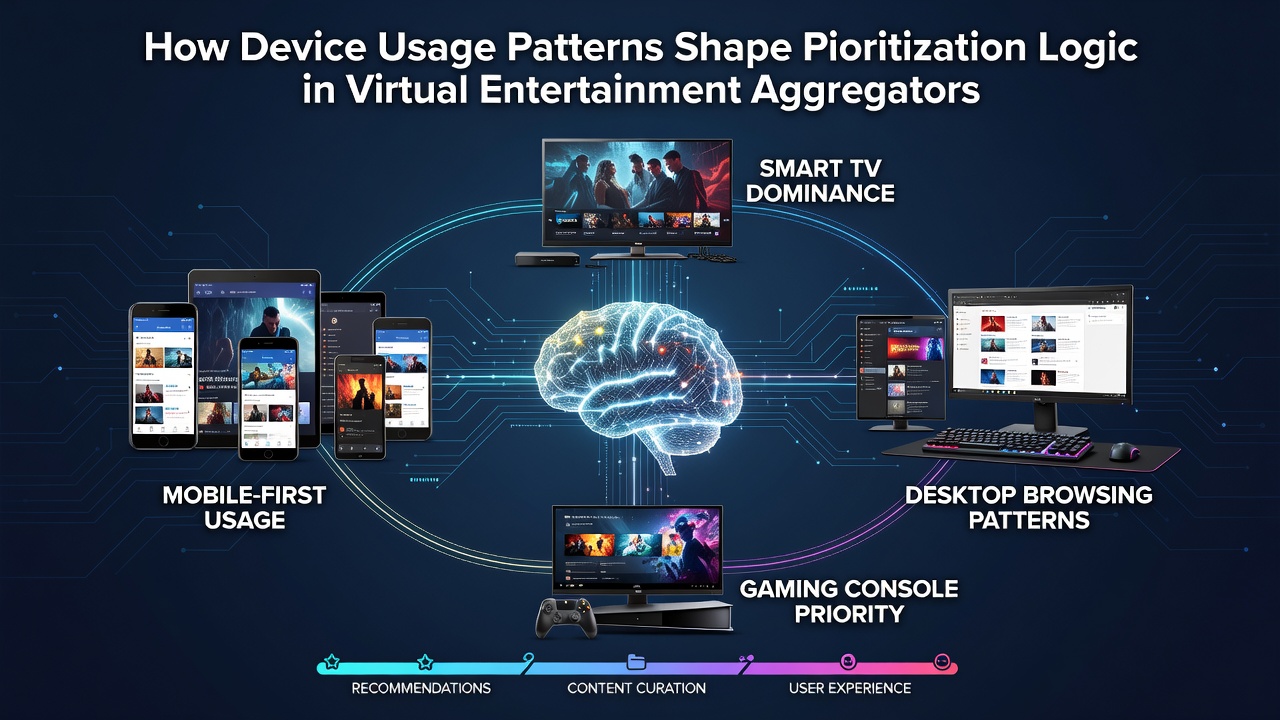
Virtual entertainment aggregators rely on complex algorithms that adjust content recommendations based on the devices users choose for access, and these patterns have grown more pronounced as consumption habits continue to evolve through 2026. Mobile sessions typically feature shorter attention spans while desktop environments support extended viewing blocks, and aggregators respond by reordering catalogs accordingly. Data collected across major platforms shows mobile traffic accounting for roughly 68 percent of total entertainment streams during the first three quarters of 2026, with tablets capturing an additional 12 percent according to industry measurement firms.
Device Signals and Content Ranking Mechanics
Aggregators collect device identifiers, screen dimensions, connection speeds and session durations at the moment a user opens an application or website, then feed those variables into prioritization engines that reorder results in real time. Mobile users frequently encounter bite-sized clips or vertical video formats placed at the top of feeds, whereas desktop visitors see longer episodes or full playlists surfaced first. Researchers at the University of Melbourne documented this shift in a 2025 study that tracked 2.3 million sessions across five major services and found mobile-driven sessions ended 47 percent earlier than desktop ones on average.
Connection quality adds another layer to the decision tree. When 5G or high-speed Wi-Fi registers, platforms increase the weight given to high-resolution options, yet when cellular data appears the system favors lower-bitrate items to reduce buffering complaints. The Australian Communications and Media Authority reported in its latest quarterly update that buffering-related drop-offs fell 19 percent on platforms that implemented these device-aware adjustments between January and September 2026.
Session Length Data and Recommendation Weighting
Session length remains one of the strongest predictors inside prioritization logic. Short mobile bursts trigger algorithms that promote trending clips or quick-start content, while sustained desktop sessions allow deeper catalog exploration and personalized genre dives. Observers note that services adjust thumbnail sizes, autoplay thresholds and even search result density based on the detected hardware, creating noticeably different experiences for the same user account across devices.
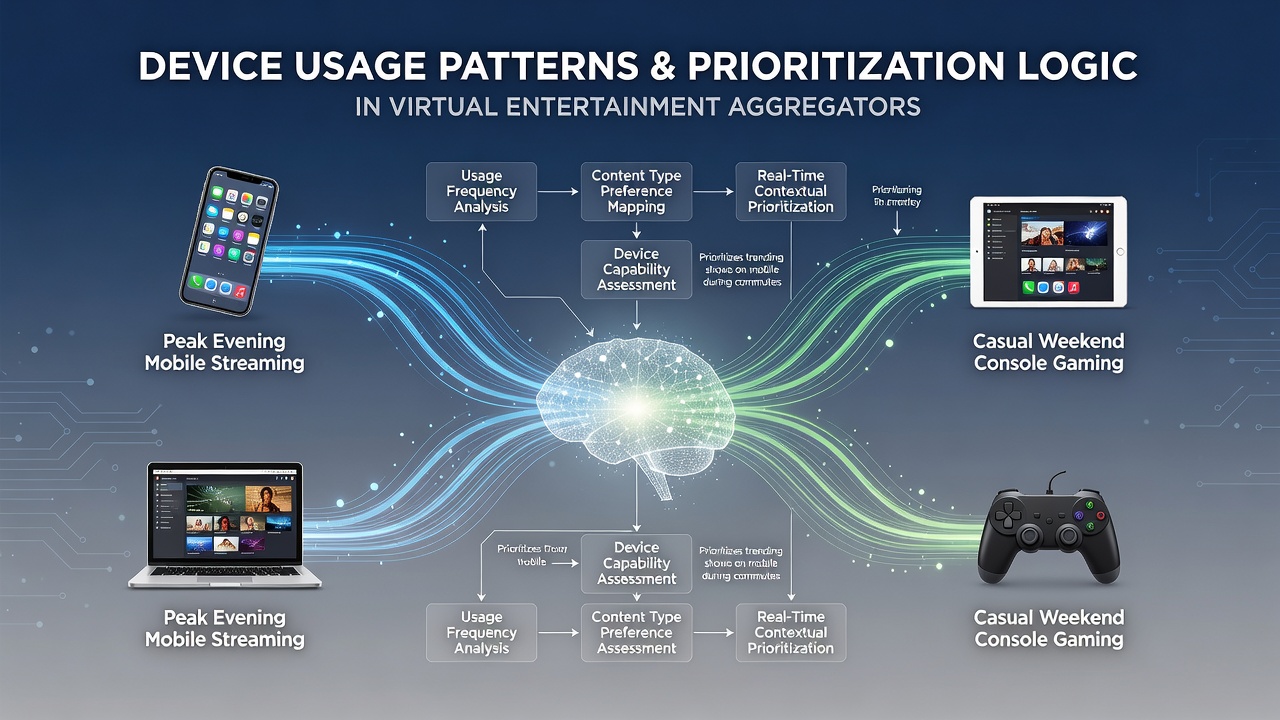
November 2026 brought additional attention to these mechanics when several major aggregators released updated developer documentation outlining how they weight device telemetry. The documents confirmed that tablet sessions receive an intermediate treatment, blending elements of both mobile brevity and desktop depth because average tablet dwell time sits between the two extremes. Those updates also clarified that operating system version and hardware age factor into ranking decisions, since older devices often struggle with newer codecs and therefore receive lighter content options.
Regional Variations in Device Prioritization
Patterns differ by geography. North American services place heavier emphasis on mobile optimization because smartphone penetration exceeds 92 percent among adults, according to Federal Communications Commission household broadband reports. European platforms meanwhile allocate more development resources to smart-TV integration following widespread adoption of large-screen devices in living rooms. One analysis from the European Audiovisual Observatory showed that aggregator ranking pages tailored for television interfaces produced 31 percent longer average view times than their mobile counterparts during teh same measurement window.
Cross-device continuity presents ongoing engineering challenges. Users who begin a series on a phone during a commute and later resume on a laptop expect the platform to recognize the transition without resetting progress or reordering suggestions. Aggregators address this through persistent account-level profiles that override some device signals while still allowing local adjustments for screen size and input method.
Future Adjustments and Measurement Standards
Industry groups continue to refine measurement standards that help aggregators validate these prioritization choices. The shift toward privacy-preserving data collection has prompted many services to rely on aggregated cohort signals rather than individual device histories, yet the core logic of matching content format to hardware remains intact. As new foldable and wearable devices enter mainstream use, prioritization engines will likely incorporate additional variables such as display orientation and interaction modality.
Conclusion
Device usage patterns supply the raw inputs that virtual entertainment aggregators convert into dynamic ranking decisions, and the relationship between hardware signals and content order continues to tighten. Mobile dominance drives shorter-form prioritization, desktop sessions enable deeper exploration, and regional infrastructure differences further shape how those rules apply across markets. Continued measurement and incremental algorithm updates ensure the systems stay aligned with evolving consumer hardware choices.